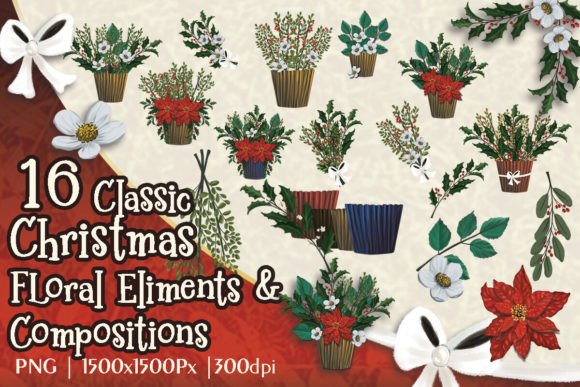
Reviewing 16 Christmas Elements and Compositions Illustrations
As we approach the fourth quarter, the pressure mounts for digital product creators and handmade business owners. The holiday season is not just a time for celebration; it is the most critical revenue window for Etsy sellers, print-on-demand entrepreneurs, and creative marketplace vendors. I recently acquired 16 Christmas Elements and Compositions to evaluate its potential for my upcoming seasonal catalog. My goal was not merely to admire the art, but to stress-test these Illustrations against real-world commercial demands. Here is my practical breakdown of how this graphic design asset performs when pushed through the rigors of product creation.
First Impressions: Mood and Market Fit
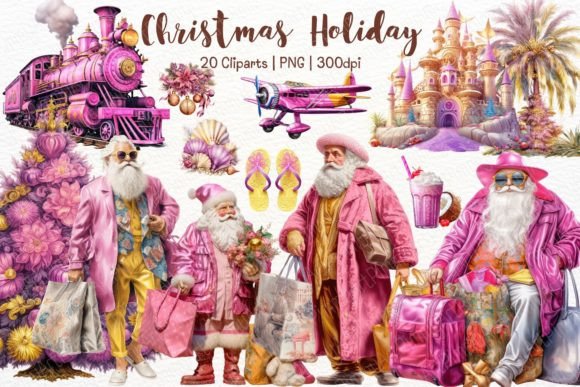
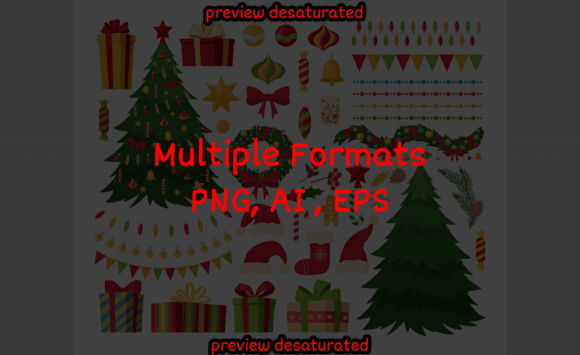
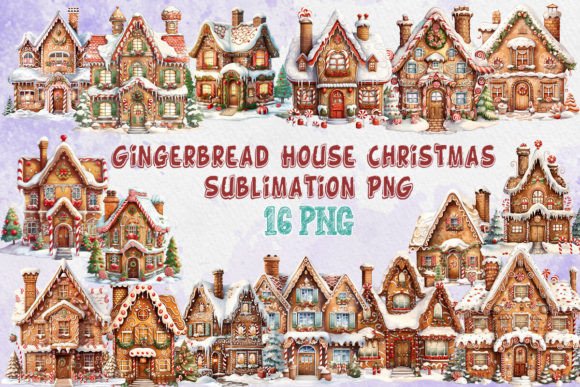
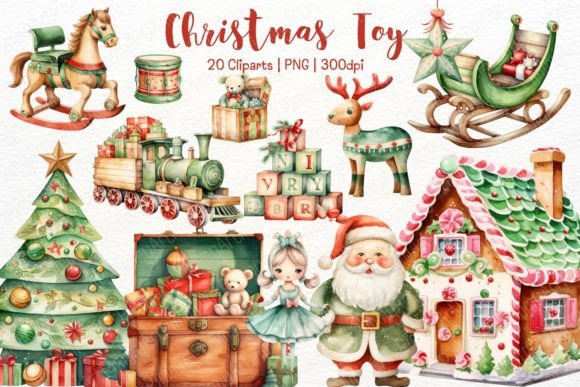
Upon opening the file package, the immediate impression is one of curated versatility. The collection does not lean heavily into a single extreme, such as hyper-minimalist or overly chaotic maximalism. Instead, it strikes a balance that feels both festive and professional. The visual personality suggests a warm, inviting aesthetic that appeals to buyers looking for traditional holiday cheer with a modern touch. This niche appeal is crucial. For Etsy product listings, standing out requires a distinct visual voice. These elements feel decorative yet grounded, making them suitable for a wide demographic, from parents buying nursery prints to adults seeking elegant greeting cards.
The style leans towards a premium, handmade feel, which is essential for building trust in the creative marketplace. When customers browse for a digital download, they are often looking for something that feels authentic rather than mass-produced. The compositions within this set offer enough complexity to serve as standalone focal points, while the individual elements provide the flexibility needed for custom layouts. This duality allows sellers to create diverse products without needing to purchase multiple separate bundles.
Real-World Product Applications
The true test of any design bundle is its adaptability across different product types. I integrated 16 Christmas Elements and Compositions into several mock projects to gauge their utility. Here is where they shined:
- Printable Wall Art and Nursery Prints: The larger compositions work exceptionally well for framed art. When paired with a clean serif font or a delicate script font, these illustrations create high-perceived-value items for home decor shops.
- Greeting Cards and Invitation Templates: The balanced negative space in the compositions allows for easy text overlay. This is vital for Canva template creators who need to ensure their designs remain editable and legible for end-users.
- Sublimation Design and Mug Design: For print-on-demand sellers, the resolution and clarity of the PNG files are paramount. I tested these on virtual mug wraps and tumbler designs. The colors remained vibrant, and the details held up well against ceramic textures, provided the background was handled correctly.
- Cricut Project and Sticker Design: For crafters using cutting machines, the SVG files are a significant value add. However, I noted that some of the more intricate compositions require careful weedings. They are better suited for vinyl decals on smooth surfaces like laptops or water bottles rather than complex fabric cuts.
- Social Media Graphics and Blog Graphics: Content creators can use the smaller elements to frame text in Instagram posts or Pinterest pins. This helps maintain brand identity and visual hierarchy during the busy holiday marketing rush.
Enhancing Product Presentation
In the digital selling world, your thumbnail is your storefront. Using 16 Christmas Elements and Compositions effectively can drastically improve click-through rates. I found that using the full compositions as the central focus of a product mockup creates an immediate emotional connection with the browser. It tells a story of warmth and tradition before the customer even reads the title.
Furthermore, consistency is key for small business branding. By using elements from the same pack across your packaging design, thank-you cards, and social media promos, you create a cohesive look that signals professionalism. This perceived value can justify higher price points for your commercial design offerings. When customers see a unified aesthetic, they are more likely to trust the quality of the digital product they are purchasing.
Strategic Placement and Cautionary Notes
While versatile, this asset is not a one-size-fits-all solution. Understanding where to use it—and where to avoid it—is part of being a savvy seller. These Illustrations work best in large product previews, themed bundles, and decorative layouts where they have room to breathe. They excel in merchandise graphics that allow for detailed viewing, such as tote bag prints or poster-sized art.
However, caution is advised in specific scenarios. Avoid using the most detailed compositions for tiny sticker details or small icons, as the intricacies may get lost at reduced sizes. For Cricut project users, ensure that the cut lines are clean; overly complex internal paths can lead to tearing or difficult weeding. Additionally, be mindful of contrast. Placing these elements on dark backgrounds without proper outlining or color adjustment can result in poor visibility. Always test your PNG design transparency and verify how the colors shift when printed on different materials.
Practical Seller Checklist
Before publishing your listings, run through this quick evaluation protocol to ensure quality control:
- Test on Real Mockups: Do not rely solely on flat digital previews. Place the design on actual product images to check scale and proportion.
- Preview as a Thumbnail: Shrink your image to the size of an Etsy search result. Is the main subject still clear? If not, simplify the layout.
- Check Background Contrast: Verify how the clipart looks on both white and colored backgrounds. Adjust opacity or add strokes if necessary.
- Test Print Colors: Order a sample if possible, or use a calibrated monitor to check for color shifts in your sublimation design.
- Verify File Resolution: Ensure the PNGs are at least 300 DPI for high-quality printing. Blurry edges kill conversion rates.
- Inspect SVG Cut Quality: Open the SVG in your cutting software. Check for stray nodes or overlapping paths that could cause cutting errors.
- Organize Files Clearly: If you are reselling these as part of a bundle, ensure your folder structure is intuitive for your customers.
- Pair Fonts Wisely: Experiment with sans serif font, handwritten font, and display font styles to find the perfect match for each composition.
- Confirm Commercial Licensing: Always double-check the license terms. Ensure you have the right to use these design assets in finished products for sale.
In conclusion, 16 Christmas Elements and Compositions is a robust addition to any digital creator’s toolkit. It offers the flexibility needed for a wide range of applications, from t-shirt design to sophisticated invitation templates. By approaching this graphic design asset with a strategic mindset—testing thoroughly, understanding its limitations, and leveraging its strengths—you can create a compelling, professional-looking holiday collection that resonates with buyers and drives sales. Remember, the goal is not just to sell a file, but to provide a solution that helps your customers celebrate the season in style.