Christmas Teddy Bear Sublimation: Illustrations for Branding
As a brand designer who has spent the last decade helping local businesses transition from hobbyist ventures to professional brands, I approach every new graphic design asset with a critical eye. It is not enough for an image to be cute; it must carry weight in a commercial context. Recently, I evaluated Christmas Teddy Bear Sublimation for a potential holiday campaign, and the results offered valuable insights for anyone managing small business branding. This review explores how this specific set of Illustrations can elevate product presentation, from packaging to social media.
First Impressions: Mood and Brand Personality
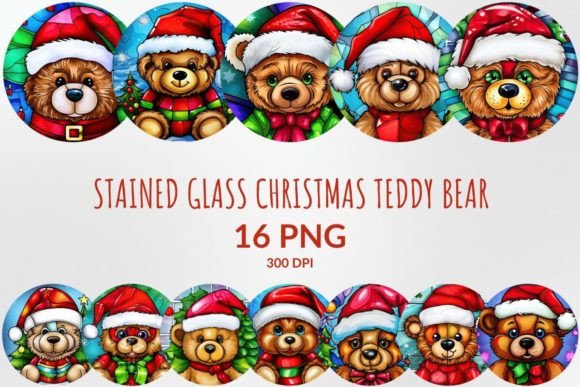
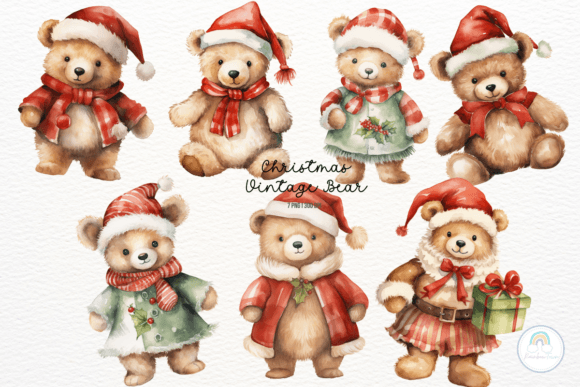
The initial impact of Christmas Teddy Bear Sublimation is undeniably warm. In an era where digital fatigue is real, consumers crave tactile, nostalgic feelings. These designs evoke a sense of handmade comfort, suggesting a brand personality that is friendly, approachable, and deeply rooted in tradition. For a local business, such as a boutique bakery or a handmade soap studio, this mood is invaluable. It does not scream for attention with aggressive boldness; instead, it invites the customer in with a soft, festive embrace.
However, "cute" can sometimes undermine perceived value if not handled correctly. The key here is balance. The sublimation style implies a textured, printed look that pairs beautifully with organic materials. If you are aiming for a ultra-modern, minimalist luxury aesthetic, this might feel too decorative. But for brands leaning into rustic, cozy, or family-oriented values, these illustration elements provide an immediate emotional connection. They signal that the product inside is crafted with care, mirroring the effort put into the visual identity.
Strategic Applications in Local Business Design
The versatility of Christmas Teddy Bear Sublimation lies in its adaptability across various touchpoints. During my evaluation, I mapped out several practical applications for a hypothetical candle brand launching a winter collection. Here is how these assets perform in real-world scenarios:
- Packaging Design: The primary use case is obvious. These graphics work exceptionally well as hero images on box lids or wrap-around labels. They create a strong shelf appeal, distinguishing the product from competitors who may use generic stock photography.
- Product Labels: For smaller items like lip balms or jarred preserves, the bear motif can serve as a central focal point. It draws the eye before the customer even reads the flavor or scent description.
- Social Media Graphics: In the digital realm, these images are perfect for Instagram stories and Facebook posts. They break up text-heavy promotional ads and add a seasonal flair to your feed without requiring a full photoshoot.
- Printable Inserts: Including a thank-you card with a subtle teddy bear watermark enhances the unboxing experience. It turns a simple transaction into a memorable brand interaction.
When integrating these into your brand identity, consider the visual hierarchy. The bear should support the message, not overpower it. For instance, on a menu graphic for a coffee shop, place the illustration in the corner or as a background element with reduced opacity. This ensures that the pricing and item descriptions remain legible, maintaining a professional standard.
Enhancing Business Presentation and Trust
Why does this matter for your bottom line? Consistent, high-quality visuals build trust. When a customer sees Christmas Teddy Bear Sublimation used cohesively across your website banners, physical packaging, and email newsletters, it reinforces brand recognition. It signals that you are a serious operator, not just a casual seller. This perception of professionalism can justify higher price points and encourage repeat purchases.
Furthermore, these assets help clarify your market position. By choosing a design that feels handmade and festive, you are explicitly targeting customers who value artisanal quality over mass-produced convenience. This alignment between visual style and target audience is the cornerstone of effective marketing visuals. It reduces friction in the buying decision because the packaging communicates the brand’s values instantly.
Where to Use Caution
While versatile, this asset is not a universal solution. As a designer, I advise against using Christmas Teddy Bear Sublimation in contexts that require strict formality. It is unsuitable for corporate annual reports, legal documentation, or high-end luxury branding that relies on stark minimalism. Additionally, avoid placing these detailed illustrations on crowded layouts. If your product label already contains extensive ingredient lists, regulatory warnings, and barcodes, adding a complex graphic can create visual noise.
Contrast is another critical factor. These designs often feature soft edges and warm tones. Placing them on low-contrast backgrounds, such as light beige on white, can render them invisible. Always test your PNG design files against your chosen brand colors to ensure visibility. If the background is busy, consider using a solid color block behind the illustration to make it pop.
Practical Designer Notes for Implementation
Before you commit to using these assets in client work or your own handmade business, follow these technical checks to ensure a polished result:
- Test on Real Mockups: Do not rely solely on screen previews. Apply the design to a 3D product mockup to see how it wraps around curves or folds. This reveals distortion issues early.
- Check Black and White Usage: Print costs can add up. Test how the illustration looks in grayscale. If it loses definition, you may need to adjust contrast or choose a simpler variant for monochrome printing.
- Font Pairing: These playful illustrations pair best with serif fonts for a classic look or handwritten fonts for a personal touch. Avoid overly technical sans-serif fonts unless you are aiming for a modern eclectic vibe.
- Licensing Verification: Always confirm the commercial license terms. Ensure you have the right to use the asset on physical products for sale, not just for digital marketing. This is crucial for avoiding legal issues down the line.
- Competitor Analysis: Look at what other local brands are doing. If everyone is using similar teddy bear motifs, consider tweaking the color palette or layout to maintain uniqueness.
In conclusion, Christmas Teddy Bear Sublimation is a potent tool for product sellers and creative entrepreneurs looking to inject warmth and personality into their holiday campaigns. When used with strategic intent, it transforms simple packaging into a storytelling medium. It bridges the gap between digital convenience and physical charm, offering a tangible sense of quality that resonates with today’s conscious consumers. By respecting its limitations and leveraging its strengths, you can create a cohesive, trustworthy, and visually appealing brand presence that stands out in a crowded marketplace.