Review: Christmas Duck Watercolor Sublimation Design
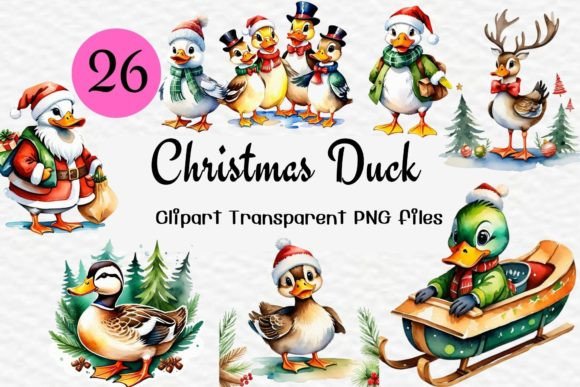
As a designer who spends more time staring at stitch simulations than actual fabric, I have developed a keen eye for what translates well from screen to thread. When I first opened the Christmas Duck Watercolor Sublimation file, my initial reaction was one of cautious optimism. Watercolor aesthetics are notoriously difficult to replicate in embroidery due to their soft gradients and bleeding edges, which often clash with the rigid, linear nature of machine stitching. However, this design manages to capture the whimsical spirit of holiday Illustrations while maintaining the structural integrity required for a durable finished product.
First Impressions and Visual Mood
The immediate appeal of this design lies in its playful subject matter. A duck adorned with festive elements is not your typical holly-and-ivy motif, which gives it a unique marketability for modern crafters. The layout feels balanced, avoiding the clutter that plagues many seasonal designs. For an embroidery project, clarity is king. If the details are too muddled, the final result looks like a blob of thread rather than a deliberate artistic choice. This design respects the viewer’s eye, offering enough detail to be interesting without demanding impossible precision from the machine.
The mood is lighthearted and cozy, perfectly suited for the current trend of "ugly cute" holiday decor. It does not take itself too seriously, which makes it an excellent candidate for personalized gifts that aim to bring a smile rather than just formal elegance. As an experienced reviewer, I look for designs that tell a story instantly, and this duck delivers that narrative with charm.
Real-World Application: The Tote Bag Test
To truly evaluate a digital embroidery file, you must imagine it on a physical object. I visualized this design centered on a natural canvas tote bag design. Canvas provides a stable, tight weave that supports moderate stitch density without puckering. In this scenario, the Christmas Duck Watercolor Sublimation would serve as a standout feature for a small shop product or an Etsy seller looking to differentiate their holiday inventory.
Imagine a customer browsing a craft fair. They see rows of generic snowflakes, and then they spot this quirky duck. It stops them in their tracks. That is the power of unique Illustrations in a saturated market. For a handmade product, distinctiveness drives sales. The design’s scale appears appropriate for a standard hoop size, likely fitting comfortably within a 5x7 or 6x10 frame, though you must verify the specific dimensions provided in the file package before starting.
Performance on Different Fabrics
Not all fabrics behave the same way, and this design requires thoughtful material selection. On a sweatshirt embroidery project, the plush texture of fleece can swallow fine details. If this design relies heavily on running stitch outlines, it might get lost in the pile of a heavy hoodie. In such cases, I recommend using a cutaway stabilizer to provide extra support and ensure the satin stitch elements pop against the textured background.
Conversely, applying this to thin fabric like a cotton tea towel requires caution. High stitch density can cause pulling and distortion. If you plan to use this for kitchen towels or baby embroidery items, check the density settings. You may need to reduce the pull compensation or use a lighter weight thread to prevent the fabric from bunching. For caps and hats, the curved surface presents another challenge. The design must be digitized with underlay stitches that anchor it securely to the stiff buckram, otherwise, the duck might shift or warp during wear.
Technical Considerations for Stitching
When working with any machine embroidery design, technical preparation is half the battle. Before loading the hoop, always test the design on scrap fabric identical to your final material. This allows you to check thread color contrast and adjust tension if necessary. Watercolor styles often imply a mix of colors; ensure your thread palette matches the vibrancy of the original art. Muted threads might make the design look dull, while overly bright neon threads could clash with the watercolor aesthetic.
Pay close attention to the transition between fill stitch areas and satin stitch borders. Poor transitions can lead to thread breaks or messy backsides. A professional embroidered patch should look as good on the inside as it does on the outside, especially if it is visible through sheer fabrics or if you are aiming for high-end boutique branding. Use proper stabilizer—tear-away for stable woven fabrics and cut-away for knits—to maintain the shape of the duck throughout the stitching process.
Commercial Viability and Brand Consistency
For commercial embroidery professionals and digital product sellers, licensing is critical. Before selling finished items or including this in a bundle of design assets, confirm the license terms. Most designers allow commercial use for physical products but restrict the resale of the digital embroidery file itself. Understanding these boundaries protects your craft business and maintains professional integrity.
This design fits well into a broader collection of holiday embroidery themes. It appeals to buyers looking for something beyond traditional religious or botanical motifs. By incorporating this into your lineup, you signal to customers that your brand is fun, contemporary, and attentive to detail. It enhances buyer engagement because it invites conversation. People love to comment on unique designs, which can boost visibility for your Etsy listings or social media posts.
Practical Designer Notes
- Test First: Always run a test stitch-out on scrap fabric to check for registration issues.
- Check Density: Ensure the stitch density is appropriate for your chosen fabric to avoid puckering.
- Contrast Matters: Select thread colors that provide sufficient contrast against the fabric background.
- Stabilizer Choice: Use the correct stabilizer type based on fabric stretch and weight.
- Verify License: Confirm commercial usage rights before selling finished products.
- Hoop Size: Double-check that the design fits your available hoop size without resizing, which can distort stitch angles.
Final Verdict
The Christmas Duck Watercolor Sublimation is a strong contender for holiday projects that demand personality and charm. It bridges the gap between artistic illustration and practical embroidery, offering a versatile asset for various applications. Whether you are creating a custom apparel line, preparing personalized gifts for family, or stocking your small shop with unique merchandise, this design holds up under scrutiny. Just remember to respect the technical limitations of your machine and materials. With proper preparation, this design will result in a high-quality finished product that delights customers and enhances your portfolio.