Review: Vintage Christmas Ornaments Sublimation Design
As a designer who spends more time staring at stitch simulations than actual holiday decorations, I approach every new machine embroidery design with a mix of curiosity and skepticism. We have all been there: you download a file that looks stunning in the preview image, only to find it turns into a tangled mess of thread on your favorite sweatshirt. That is why I took a close look at the Vintage Christmas Ornaments Sublimation set before committing it to any client work or personal embroidery project.
This collection falls under the category of Illustrations, which immediately sets a specific expectation. Unlike simple monogram fonts or basic geometric shapes, illustrative designs rely heavily on line weight, shading, and composition. When we talk about vintage ornaments, we are talking about nostalgia. We are talking about the kind of aesthetic that feels warm, slightly worn, and deeply comforting. The question is not just whether the design is pretty, but whether it translates effectively from a digital screen to a textured finished product.
First Impressions and Visual Mood
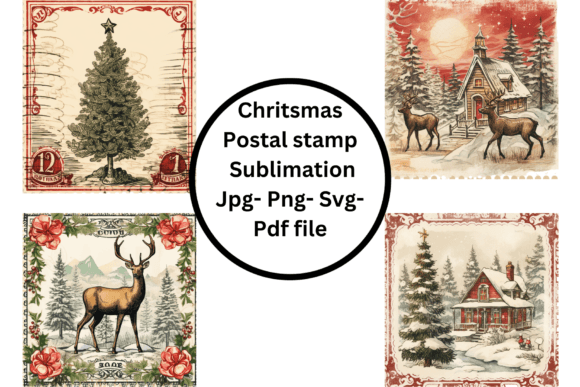
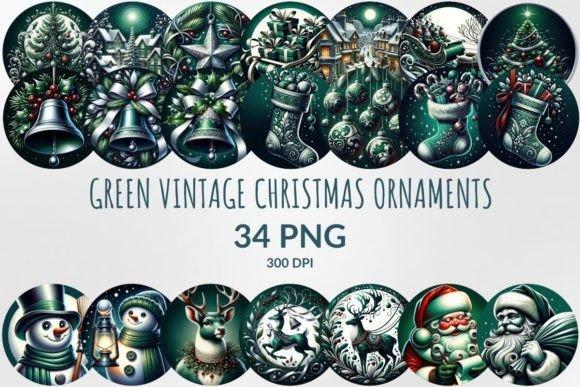
Opening the files for Vintage Christmas Ornaments Sublimation, the first thing that struck me was the balance between detail and clarity. Vintage styles can often become too cluttered, relying on excessive texture that confuses the needle. However, these designs seem to understand the limitations of thread. The shapes are recognizable—classic baubles, stars, and perhaps some nostalgic bells or trees—but they are rendered with a simplicity that respects the medium.
The mood here is distinctly retro. It does not scream "modern minimalist," nor does it feel overly chaotic. It sits comfortably in that sweet spot of mid-century charm. For an Etsy seller or a small shop product creator, this visual personality is gold. It appeals to customers looking for something that feels handmade and timeless rather than mass-produced. The layout of the elements suggests they were designed with versatility in mind, allowing for both standalone use and combination with other festive motifs.
Real-World Application: The Tote Bag Test
To truly evaluate a design, you have to imagine it on fabric. I mentally placed one of the larger ornament designs from this set onto a natural canvas tote bag design. This is a popular item for holiday markets and gift-giving. On a sturdy cotton canvas, the fill stitch areas would need to be dense enough to cover the weave but not so dense that they cause puckering.
In this scenario, the Vintage Christmas Ornaments Sublimation design performs well because of its defined outlines. A clear outline, likely achieved through a solid satin stitch or a tight running stitch, helps anchor the design on a textured surface like canvas. If the design were too soft or lacked definition, it would get lost in the fabric's grain. Here, the contrast between the thread and the background fabric would make the ornament pop, creating a high-value handmade product that looks professional.
I also considered this design for sweatshirt embroidery. On fleece or heavy cotton blends, the stakes are higher. Too much density, and the garment becomes stiff and uncomfortable. Too little, and the design looks sparse. The illustrative nature of these ornaments suggests a moderate stitch density, which is ideal for apparel. It allows the fabric to remain soft while still delivering a festive visual impact. This makes it a strong candidate for custom apparel lines, especially for family matching sets or boutique holiday collections.
Navigating Technical Challenges
While the aesthetic is strong, practical application requires caution. Not every surface is friendly to detailed Illustrations. For instance, if you are planning to use these on a curved surface like a cap, you must be mindful of the hoop size and the distortion that occurs during stitching. Small, intricate details in vintage designs can sometimes warp on curved hats. I would recommend testing the design on a scrap piece of similar material first, using a proper stabilizer to prevent shifting.
Another critical consideration is fabric type. On thin or stretchy fabrics, such as those used for baby embroidery items like onesies or bibs, the pull of the thread can distort the shape of the ornament. In these cases, using a cut-away stabilizer is non-negotiable. Additionally, if the design includes very fine lines, they may not hold up well on loose-weave fabrics like linen tea towels unless the stitch count is sufficiently high to bridge the gaps in the weave.
Color selection is equally vital. Vintage themes often rely on muted tones—mustards, deep reds, forest greens, and soft creams. When choosing your thread colors, avoid neon or overly bright modern shades unless you are aiming for a specific ironic contrast. The beauty of Vintage Christmas Ornaments Sublimation lies in its subdued palette. Testing your design in black and white mockups can help you verify that the contrast is sufficient regardless of the color choices you make.
Commercial Viability and Brand Consistency
For craft business owners, consistency is key. Using a cohesive set of designs helps build brand recognition. The Vintage Christmas Ornaments Sublimation collection offers a unified look that can be applied across various products, from embroidered patch items to pillow covers and kitchen towels. This versatility allows you to create a entire holiday line without the designs feeling disjointed.
When selling on platforms like Etsy, the perceived value of your personalized gift items increases with the quality of the design execution. A clean, well-digitized illustration signals professionalism. It tells the buyer that care was taken in the creation process. This builds customer trust and encourages repeat business. Furthermore, because these are holiday embroidery designs, they have a seasonal urgency. Having them ready to go in your library allows you to capitalize on the peak shopping season without last-minute digitizing stress.
Practical Designer Notes
Before you load this digital embroidery file into your machine, keep these practical tips in mind:
- Check the License: Always confirm the licensing terms. While many designs allow for commercial use of finished items, some restrict the resale of the digital file itself. Ensure you are compliant before selling your commercial embroidery products.
- Test on Scrap Fabric: Never stitch a new design directly on your final garment. Use a scrap piece of the same fabric and stabilizer combination to check for tension issues, thread breaks, or registration errors.
- Review Stitch Density: Look at the simulation view in your software. If certain areas look overly dense, consider adjusting the underlay or reducing the fill density to prevent fabric stiffness.
- Contrast is King: Ensure your thread color contrasts adequately with your fabric. Vintage designs can look muddy if the colors are too similar in value.
- Inspect Small Details: Zoom in on the smallest elements of the design. If they are too small for your needle size or fabric weave, they may not stitch out cleanly. You may need to simplify or enlarge these parts.
In conclusion, Vintage Christmas Ornaments Sublimation is a thoughtful addition to any designer’s library. It balances nostalgic charm with practical digitizing principles. Whether you are creating a printable mockup for your online store or stitching a real-life holiday gift, this design set offers the flexibility and visual appeal needed to succeed in today’s competitive craft market. Just remember to respect the technical constraints of your materials, and let the vintage vibe do the rest.