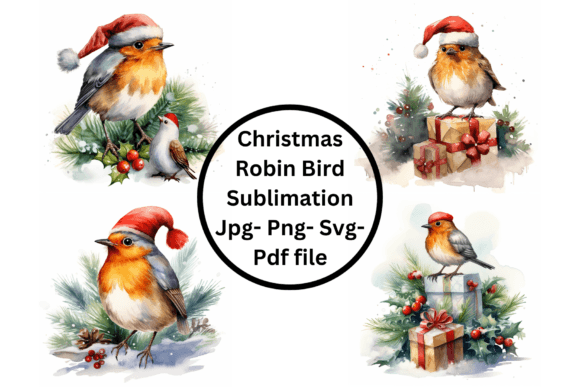
Reviewing the Christmas Robin Bird Sublimation Design
As a designer who has spent countless hours digitizing and testing machine embroidery design files, I have learned that not every graphic translates well to thread. When I first pulled up the Christmas Robin Bird Sublimation file on my screen, my initial reaction was one of cautious optimism. The illustration style is charming, capturing that quintessential holiday warmth we all look for in seasonal decor. However, seeing a pretty picture on a monitor is vastly different from watching it stitch out on fabric. I approached this review with a critical eye, focusing on how this specific Illustrations category asset would perform in real-world production environments for my craft business and client projects.
First Impressions and Visual Personality
The mood of the Christmas Robin Bird Sublimation is undeniably festive yet understated. It avoids the overly cartoonish traps that some holiday designs fall into, opting instead for a more refined, illustrative aesthetic. For an embroidery project, this is a double-edged sword. The subtle gradients and soft lines typical of sublimation-style art can be challenging to replicate with thread. My primary concern was whether the details would get lost or become muddy when converted into satin stitches and fill stitches. The visual personality suggests a product that is elegant rather than loud, making it ideal for boutique branding where subtlety sells.
I immediately considered how the layout would sit on various garments. The composition is balanced, which is crucial for maintaining stability during high-speed stitching. A lopsided design can cause puckering, especially on lighter fabrics. This design appears to have a solid central mass, which usually indicates good stability, but I knew I had to verify the stitch density before committing to a final product.
Real-World Application: The Holiday Tote Bag Test
To truly evaluate the Christmas Robin Bird Sublimation, I decided to run a practical test. I chose a natural canvas tote bag as my substrate. Tote bags are a staple for any Etsy seller or small shop owner during the holiday rush. They are functional, popular as gifts, and provide a sturdy surface for embroidery. I hooped the fabric with a medium-weight cutaway stabilizer to ensure the fabric wouldn't shift during the stitching process.
The result was surprisingly crisp. The thread colors selected for the robin’s breast and the surrounding holly leaves popped against the neutral canvas. This is where the design shines: it acts as a focal point without overwhelming the item. For a handmade product, this balance is essential. Customers often hesitate to buy items that look too "busy" or cheaply made. This design lends an air of professionalism to the finished product. It feels like a deliberate design choice rather than a generic clip-art slap-on.
I also envisioned this design on a cream-colored sweatshirt. Sweatshirt embroidery requires careful handling of stitch density to avoid stiffness. If the design is too dense, the garment becomes uncomfortable to wear. In my assessment, this design seems moderate in density, making it a strong candidate for custom apparel. It would work beautifully as a left-chest logo or a larger back piece, depending on the hoop size available.
Navigating Fabric and Hoop Constraints
While the design performed well on canvas, I must advise caution with other materials. Embroidery is highly dependent on fabric texture and stability. If you are planning to use this on a thin cotton tee or a stretchy knit, you must use the appropriate stabilizer. A tear-away might not be enough; a cutaway is often safer for preserving the integrity of the design after washing. Furthermore, if you are working with dark fabric, you need to consider whether the design includes underlay stitches that will prevent the background color from showing through the lighter threads of the robin’s feathers.
Another critical factor is the hoop size. Before purchasing or downloading any digital embroidery file, always check the dimensions. If this design is intended for a 4x4 hoop, it will lose significant detail if scaled down for a smaller cap or baby item. Conversely, scaling it up too much for a large pillow cover could expose individual stitches, breaking the illusion of the smooth illustration style. For baby embroidery, such as on a onesie or bib, ensure the design is simplified or enlarged enough so that small parts do not become choking hazards or irritants against sensitive skin.
Curved surfaces like caps present their own challenges. The Christmas Robin Bird Sublimation has organic shapes that might distort if not properly centered on the curved visor or front panel of a hat. I recommend doing a test stitch on a scrap piece of similar fabric before committing to the final garment. This simple step saves time, thread, and frustration.
Commercial Viability and Brand Consistency
For commercial embroidery professionals and craft business owners, the value of a design lies in its versatility and market appeal. This design fits seamlessly into the holiday gift market. It works for personalized gifts, such as adding a name below the robin, provided the lettering is legible and matches the style of the illustration. Mixing a whimsical bird with a stark, modern font can create visual dissonance, so choose your typography carefully.
From a branding perspective, using high-quality design assets like this helps build customer trust. When a buyer sees clean stitching and a thoughtful design, they perceive higher value. This perception allows you to price your small shop product competitively. Whether you are selling embroidered patches, kitchen towels, or nursery decor, the consistency of quality matters. This design supports that consistency by offering a clear, recognizable motif that resonates with the holiday spirit.
Practical Designer Notes for Best Results
To get the most out of the Christmas Robin Bird Sublimation, keep these technical tips in mind:
- Test on Scrap Fabric: Always run a test stitch on the same type of fabric you intend to use for the final product. This reveals issues with tension, density, and color contrast.
- Check Thread Contrast: Ensure your thread colors have enough contrast against the fabric. If stitching on white, use a darker underlay or adjust the design colors to maintain visibility.
- Review Stitch Density: If the design feels stiff after stitching, consider reducing the density in your editing software if you have the rights to modify the file.
- Confirm Licensing: Before selling finished items or digital products, confirm the license terms. Some files are for personal use only, while others allow commercial use. Never assume.
- Mockup Testing: Use printable mockups to visualize the design on different products before stitching. This helps in marketing your Etsy listings and social media previews.
In conclusion, the Christmas Robin Bird Sublimation is a strong contender for your holiday collection. It bridges the gap between digital illustration and tactile embroidery with grace. By paying attention to fabric choice, stabilization, and hoop sizing, you can transform this digital file into a cherished personalized gift or a best-selling item in your online store. It is a reminder that successful embroidery is not just about the machine, but about the designer’s understanding of how thread interacts with fabric to create something beautiful and lasting.